Don’t Travel Empty: Maximising Your UK Group Travel Efficiency
In the intricate dance of modern logistics and personal travel, the concept of ’empty’ seats or underutilised capacity represents a missed opportunity. For businesses, event organisers, and even large families across the United Kingdom, the principle of don’t travel empty isn’t just a catchy phrase; it’s a fundamental strategy for efficiency, cost-effectiveness, and sustainability. Whether you’re coordinating a corporate retreat, a school trip, a wedding party, or a fan excursion to a major sporting event, ensuring your transport is filled to its potential can unlock significant benefits. This article delves into the multifaceted advantages of adhering to the ‘don’t travel empty’ ethos, exploring practical strategies, the latest in compliant transport solutions, and how smart planning can transform your group travel experience.
The Economic Imperative: Why Filling Up Matters
At its core, the decision to don’t travel empty is an economic one. Every journey incurs fixed costs, regardless of whether all seats are occupied. These include fuel, driver wages, vehicle maintenance, insurance, and potential road charges. When a vehicle departs with vacant seats, those fixed costs are spread across fewer passengers, inevitably increasing the per-person cost. Conversely, maximising occupancy distributes these costs more evenly, leading to significant savings per individual. This is particularly crucial for organisations operating on tight budgets, where even small efficiencies can make a substantial difference.
Consider a scenario where a 53-seater coach is booked for a corporate event in Birmingham (B1 postcode area). If only 30 people travel, the cost per person is considerably higher than if all 53 seats were filled. This increased cost might necessitate higher ticket prices for attendees or a larger budget allocation from the organising company. For smaller groups, the impact is amplified. A 16-seater executive minibus running with just 8 passengers is operating at 50% capacity, doubling the effective cost per passenger compared to a full vehicle.
Furthermore, the economic argument extends to the broader business context. Efficient transport planning can contribute to a company’s bottom line, enhance employee satisfaction by offering more affordable travel options, and improve the overall return on investment for events and trips. For organisations looking to optimise their expenditure, embracing the philosophy to don’t travel empty is a non-negotiable first step.
Environmental Responsibility: A Greener Way to Travel
Beyond the immediate financial benefits, the principle of not travelling empty is intrinsically linked to environmental responsibility. In an era of increasing climate consciousness and stringent emissions regulations, reducing the carbon footprint of travel is paramount. Transport is a significant contributor to greenhouse gas emissions, and underutilised vehicles exacerbate this problem.
A full vehicle means fewer journeys are needed to transport the same number of people. This directly translates to reduced fuel consumption and lower emissions. For example, if two 16-seater minibuses are required to transport 20 people, that’s two drivers, two sets of fuel, and double the emissions compared to a single, fully occupied 53-seater coach (where feasible). Modern transport solutions are increasingly focused on efficiency and compliance. Many operators, including those providing executive minibuses and coaches, now invest in vehicles that meet the latest environmental standards. For instance, ensuring your fleet is Euro 6 compliant significantly reduces harmful emissions like nitrogen oxides (NOx) and particulate matter. Similarly, vehicles that are ULEZ (Ultra Low Emission Zone) compliant are essential for operating within London and other expanding clean air zones across the UK, avoiding costly charges and demonstrating a commitment to cleaner air.
By consciously choosing to don’t travel empty, organisations and individuals contribute to a collective effort to minimise environmental impact. This not only aligns with regulatory requirements and public expectations but also enhances brand reputation and promotes a more sustainable future for travel in the UK.
Operational Efficiency: Streamlining Group Movements
Effective group travel isn’t just about getting from point A to point B; it’s about doing so smoothly, reliably, and efficiently. The ‘don’t travel empty’ mindset fosters a culture of meticulous planning, which is the bedrock of operational efficiency.
Strategic Route Planning
When aiming for full occupancy, route planning becomes more critical. Instead of multiple, sparsely populated trips, a single, well-planned route can serve a larger group. This involves identifying central pick-up points, optimising the sequence of stops, and considering traffic patterns. Advanced booking platforms and logistics software can assist in this process, ensuring that the most efficient routes are identified, minimising travel time and mileage.
Vehicle Selection and Optimisation
Choosing the right vehicle for the group size is fundamental. Over-hiring a large coach for a small group, even if it fills up, might be less efficient than using a smaller, more agile minibus. Conversely, trying to cram a large group into multiple small vehicles can lead to logistical nightmares and increased costs. The principle of don’t travel empty encourages a pragmatic approach: match the vehicle capacity to the actual number of travellers as closely as possible.
For instance, if you have a group of 40 people travelling from Manchester to a conference in London, a 53-seater coach would be ideal. This allows for comfortable seating, luggage space, and ensures the vehicle is nearly full, maximising efficiency. If the group size fluctuates, having contingency plans or using flexible booking options becomes important. Services like Coach Hire Compare can be invaluable here, allowing users to compare options and find the best-fit vehicle for their specific needs and group size, thereby helping to avoid the pitfalls of travelling empty.
Coordination and Communication
Efficient group travel hinges on clear communication. When everyone understands the pick-up times, locations, and itinerary, the process is smoother. This proactive communication, often a byproduct of careful planning to ensure full capacity, minimises delays and confusion on the day of travel. Passengers are kept informed, reducing anxiety and enhancing their overall travel experience.
Enhancing the Passenger Experience
Contrary to what some might assume, operating at or near full capacity doesn’t necessarily mean a compromised passenger experience. In fact, thoughtful planning driven by the ‘don’t travel empty’ principle can often lead to a superior journey.
Comfort and Amenities
Modern executive minibuses and coaches are designed with passenger comfort in mind. Vehicles equipped with reclining seats, ample legroom, onboard restrooms, climate control, and entertainment systems can make even long journeys enjoyable. When these vehicles are filled efficiently, the cost per passenger for these amenities is reduced, making them more accessible. The focus shifts from merely transporting people to providing a comfortable and pleasant travel environment.
Group Cohesion and Networking
Travelling together in a dedicated vehicle fosters a sense of community and shared experience. For corporate events, it provides an informal setting for team building and networking. For leisure trips, it enhances the camaraderie among friends or family members. This shared journey, facilitated by well-managed transport, can be a significant part of the overall event or holiday experience, turning travel time into productive or enjoyable social time.
Safety and Reliability
When you don’t travel empty, you are often working with professional transport providers who prioritise safety and reliability. These operators maintain their fleets to high standards, employ experienced drivers, and adhere to strict regulations regarding driving hours and vehicle maintenance. Choosing a service that ensures full utilisation often means opting for a reputable provider, thereby enhancing the safety and security of the group’s journey. This peace of mind is invaluable, particularly for school trips or vulnerable groups.
Leveraging Technology and Services
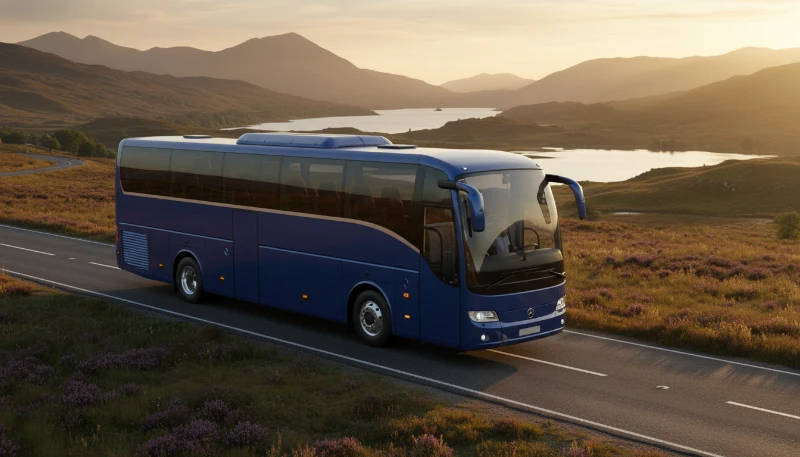
The digital age has revolutionised how we plan and book group travel, making it easier than ever to adhere to the ‘don’t travel empty’ principle.
Online Booking Platforms
Websites and apps dedicated to comparing and booking coach and minibus hire allow users to quickly assess available vehicles, compare prices, and secure bookings. These platforms often provide detailed specifications of vehicles, including capacity, amenities, and compliance standards (like Euro 6 and ULEZ). This transparency empowers users to make informed decisions, ensuring they select the most appropriate vehicle for their group size and needs, thereby avoiding the inefficiency of empty seats.
Dedicated Group Travel Services
Specialised services exist to help organisations manage complex group travel requirements. These services can range from simple booking assistance to comprehensive logistical support, including itinerary planning, route optimisation, and real-time tracking of vehicles. For businesses and event planners, partnering with such services can be a strategic move to guarantee efficiency and cost-effectiveness. Starting your DTE journey with a clear plan, supported by expert services, is key to avoiding empty seats and maximising value. The Don’t Travel Empty platform itself is a testament to this, offering insights and solutions for efficient group transport.
Data Analytics for Optimisation
For larger organisations or frequent travellers, analysing travel data can reveal patterns and opportunities for further optimisation. Understanding peak travel times, popular routes, and historical occupancy rates can inform future planning, ensuring that resources are allocated effectively and that vehicles are consistently utilised to their maximum potential. This data-driven approach reinforces the ‘don’t travel empty’ strategy by providing concrete evidence for decision-making.
Navigating UK-Specific Considerations
The United Kingdom presents unique challenges and opportunities for group travel. Understanding these nuances is vital for effective planning.
Regulatory Landscape
The UK has a robust regulatory framework governing passenger transport. Operators must comply with stringent licensing, safety, and emissions standards. As mentioned, Euro 6 and ULEZ compliance are increasingly important, especially for travel in major cities like London, Birmingham, and Manchester. Choosing operators who demonstrably meet these standards is not only a legal requirement but also a mark of a responsible travel provider.
Infrastructure and Geography
The UK’s road network, while extensive, can present challenges, particularly in rural areas or during peak tourist seasons. Narrow roads, traffic congestion in urban centres, and access restrictions for larger vehicles require careful consideration during route planning. This reinforces the need for accurate passenger numbers to select the most appropriate vehicle size and type, avoiding situations where a large coach might struggle with access, or conversely, where multiple small vehicles are needed due to access limitations, leading to inefficiency.
Upcoming Events and Local Relevance
The UK hosts a vibrant calendar of events throughout the year, from national festivals and sporting championships to local fairs and business expos. For example, planning travel for the upcoming summer festivals or major sporting events like Wimbledon requires early booking and careful coordination to ensure sufficient transport capacity. Organisers must anticipate demand and book vehicles well in advance, aiming to fill them completely to manage costs and logistics effectively. Recent news regarding the expansion of clean air zones in cities like Bristol and Newcastle further underscores the importance of using compliant vehicles. Failing to do so can result in unexpected charges, impacting the overall budget and potentially negating any savings from underfilled vehicles.
Making the ‘Don’t Travel Empty’ Principle Work for You
Implementing the ‘don’t travel empty’ strategy requires a proactive and organised approach. Here are some actionable steps:
- Accurate Forecasting: Estimate passenger numbers as accurately as possible well in advance.
- Flexible Booking: Explore booking options that allow for adjustments if numbers change slightly, but always aim for the closest fit to avoid significant under or over-capacity.
- Prioritise Compliance: Always choose operators with modern, compliant vehicles (e.g., Euro 6, ULEZ).
- Clear Communication: Ensure all passengers have clear information about timings and locations.
- Leverage Comparison Tools: Use services like Coach Hire Compare to find the best vehicle and price for your group size.
- Partner Wisely: Work with reputable transport providers who understand the importance of efficient operations.
Conclusion: The Smart Way to Move
The principle of don’t travel empty is more than just a slogan; it’s a smart, sustainable, and economically sound approach to group travel in the UK. By prioritising full vehicle utilisation, organisations and individuals can achieve significant cost savings, reduce their environmental impact, and enhance the overall travel experience. From corporate events and educational trips to family gatherings and fan excursions, adopting this mindset transforms how we approach logistics.
Investing in modern, compliant vehicles and utilising smart planning tools and services are key components of this strategy. Whether you’re coordinating travel for a small team or a large delegation, remember that every journey offers an opportunity for efficiency. Start your DTE journey today by planning meticulously, choosing wisely, and ensuring that your group travel is as effective and responsible as possible. By embracing the ethos to don’t travel empty, you contribute to a more efficient, sustainable, and cost-effective future for transportation across the United Kingdom.